

Imagine getting out of bed without that dull ache across your lower back. For millions of people, constant spinal soreness feels normal. You might spend endless hours sitting at a desk with stiff hips. You stretch daily, yet the tightness returns fast. A targeted deep tissue massage changes this pattern by working beneath the surface. It targets hidden layers of bound tissue to provide genuine, long-term relief.
Everyday stress and bad sitting habits lock your deep spinal tissues into tight bundles. Gentle spa treatments simply glide over these troubled spots. In contrast, clinical bodywork uses firm strokes to untangle stubborn fibers. Research shows that targeted pressure creates real cellular changes in tight back muscles. You do not have to live with perpetual stiffness anymore. Let us explore how a deep tissue massage fixes chronic back pain step by step.
Uncovering the Roots of Stubborn Spinal Strain
Chronic back discomfort rarely starts overnight. It builds slowly through long hours of sitting, poor lifting, and daily mental pressure. Many people find that regular massage therapy for stress relief helps relax tight spinal bands before tension locks into severe chronic aches. Muscle fibers often get stuck in continuous contractions, choking off local blood flow and vital nutrients. This creates intense tender areas that send aches across your entire back. Learning the signs you need a deep tissue massage for back pain helps you act early.
Why Gentle Surface Rubs Fall Short
Light touch can feel wonderful after a stressful week at work. However, gentle skin rubs cannot reach your deep pelvic stabilizers or spinal muscles. Surface work acts like wiping dust off a weed without removing the root. To create lasting change, a therapist must reach the deeper myofascial layers. Firm manual pressure breaks the cycle of chronic tension right where it begins.
The Nervous System Cycle You Must Interrupt
When your back hurts, your body tightens up to protect the spine. This natural reflex is helpful during an acute injury. Yet the brain often forgets to release this protective grip. As a result, muscles remain locked in an exhausting state of perpetual spasm. Targeted manual work calms sensitive nerve receptors, signaling your central nervous system to let go.
Deep soft-tissue manipulation does not just loosen tight fibers. It tells your brain that it is safe to relax defensive muscle tension. Clinical Insight, Soft Tissue Rehabilitation Studies
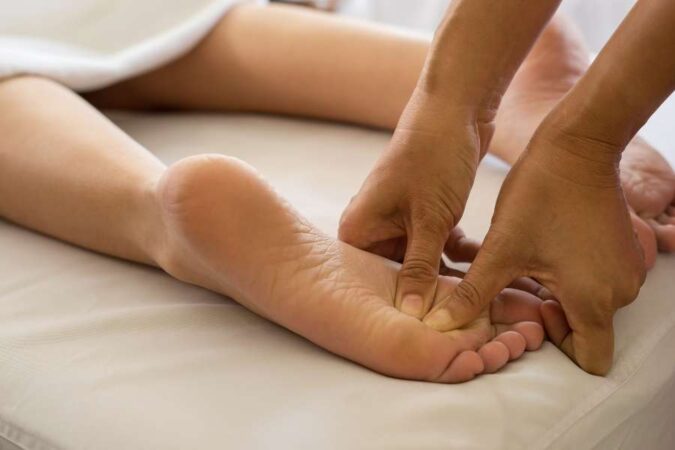
1. Freeing Glued Fascia and Stubborn Adhesions
Repetitive strain makes internal connective tissues stick together like layers of dried glue. Exploring different types of massage therapy for your body shows why deeper techniques work best for breaking down stuck connective fibers. Healthy muscles slide over one another easily during movement. Stiff, injured muscles form disorganized scar tissue that binds them tightly together. This internal friction restricts your natural mobility and turns simple bends into painful movements. Direct cross-fiber strokes unstick restricted layers of connective tissue. Injured collagen bundles reorganize into neat, parallel functional strands. Your spine regains natural shock absorption during normal daily walking. Everyday bending and twisting movements feel smooth and fluid again.
A skilled therapist uses slow friction across the muscle grain to separate these bound layers. Over several sessions, the dense scar tissue softens into flexible, healthy tissue. Freeing these stuck areas restores natural flexibility throughout your lumbar spine. You will immediately notice less pulling across your lower back when you bend down to tie your shoes.
2. Melting Persistent Muscle Knots With Precision
Constant lower back ache is often driven by localized, hyper-sensitive spots in your muscles. Therapists use focused trigger point therapy to press directly into these painful points. The therapist applies static compression, briefly slowing local blood flow to the knot. When they release the hold, fresh blood rushes back in to flush away metabolic waste.
Deactivating these stubborn tension knots instantly reduces referred aches that radiate into your hips and glutes. These tight spots often pull your pelvis out of alignment without you realizing it. Releasing them allows dormant spinal stabilizers to fire properly without irritating surrounding nerves. You will stand up from your office chair without that familiar pinching sensation.
3. Creating Lasting Musculoskeletal Relief and Disc Decompression
Tight back muscles constantly drag down on your vertebrae like shortened cables. This nonstop downward force squashes your lumbar discs and pinches delicate spinal facet joints. Receiving regular care delivers authentic musculoskeletal relief by lengthening shortened, overworked muscle bellies. Relieving this compression allows your spinal joints to move through their full, natural range.
Patients often walk out of their appointments feeling taller and significantly lighter. By lifting the heavy compression off your sacrum and lumbar spine, your nerves stop screaming. This deep decompression protects your spinal discs from premature daily wear. It gives your spine the physical breathing room it needs to stay healthy.
4. Flooding Tissues With Fresh Blood Circulation
A chronically tight muscle behaves just like a kinked garden hose. It restricts its own blood supply, starving cells of vital oxygen and nutrients. Systematic, firm strokes widen these pinched vascular networks, dramatically improving localized blood circulation. This rush of fresh blood brings oxygen, amino acids, and repair enzymes straight to damaged muscle fibers.
Better blood flow also speeds up the removal of irritating chemical waste products. Stagnant fluids that accumulate during long hours of sitting drain away quickly. As fresh arterial blood restores healthy cellular metabolism, constant aching fades away. Keeping your tissues well nourished prevents minor weekend stiffness from turning into severe chronic back episodes.
5. Calming Systemic Inflammation at the Cellular Level
Many people assume that deep mechanical pressure creates harmful internal swelling. Scientific research shows the exact opposite occurs inside your muscle cells. Firm mechanical manipulation actually turns down genetic pathways linked to painful swelling. Studies show deep bodywork dampens inflammatory chemicals while boosting cellular energy production.
This clear inflammation reduction soothes sensitive nerve endings without the stomach side effects of pain pills. Calming chronic inflammatory markers allows stiff, irritated tissues to rest and rebuild. It works like an internal reset button for tired back muscles. You get the soothing benefits of medical pain relief through natural manual therapy.
6. Correcting Unbalanced Posture and Pelvic Tilt
Slumping over a laptop pulls your pelvis forward and strains your lower back muscles. Using the best massage techniques for lower back relief loosens tight pelvic anchors like the psoas and piriformis. These hidden muscles pull on your pelvis, forcing your lumbar spine into awkward angles. Releasing these deep anchors lets your pelvis return to its neutral home.
Real posture correction means you no longer struggle consciously to sit upright. When tight front muscles let go, your spine stacks naturally over your hips. Your skeletal frame carries your weight effortlessly instead of forcing tired muscles to work overtime. This easy alignment keeps your back completely comfortable throughout long workdays.
7. Slashing Your Recovery Time Between Busy Days
Hard physical jobs, intense gym workouts, and yard work inevitably strain your spinal muscles. Regular therapeutic work shortens your total recovery time by clearing micro-damage quickly. It keeps connective tissues pliable and soft instead of letting them turn into stiff scar tissue. You can tackle demanding physical activities without dreading the next morning.
Fast recovery stops your body from developing awkward movement habits to avoid minor aches. Active individuals depend on consistent soft-tissue therapy to protect their joints during heavy training. Supple muscles absorb unexpected physical impacts much better than rigid ones. You will enjoy your favorite physical hobbies with confidence and full mobility.
Partnering Hands-On Care With Active Physical Therapy
Hands-on therapy creates an ideal window of opportunity for total structural recovery. While manual sessions untangle tight fibers and lengthen stiff muscles, pairing this care with physical therapy delivers lasting results. Passive therapy relieves the pain, while active core exercises keep your spine stable over time. Working on both fronts prevents old posture problems from returning.
A complete rehabilitation plan loosens tight back muscles first, then strengthens weak abdominal stabilizers. Deep core muscles, like the transversus abdominis, learn to protect your lumbar joints under load. This dynamic duo keeps your spine secure, even during long commutes or heavy lifting. Combining manual therapy with functional movement creates an unbeatable defense against chronic pain.
How to Prepare and Get the Most Out of Every Visit
Getting lasting results from clinical therapy requires smart preparation and good habits. Understanding why deep tissue massage reduces muscle tension helps you relax on the table instead of bracing against the therapist. When the practitioner works on sensitive areas, practice taking slow, belly breaths. Deep breathing tells your brain to yield, allowing the therapist to reach deeper layers easily.
After your session ends, drink plenty of clean water and take a leisurely walk. Gentle walking encourages healthy blood flow and helps your nervous system settle into its new posture. Light muscle soreness for a day or two is totally normal as your tissues remodel. Treating your body with care after each appointment ensures lasting freedom from back discomfort.
Frequently Asked Questions
How often should you get treated for long-standing back pain?
Start with one session per week for three or four weeks to release stubborn tension. Once your mobility returns and discomfort fades, a monthly visit keeps your spine loose and prevents future flare-ups.
Is this type of deep bodywork supposed to hurt?
The pressure should feel deep and therapeutic, but never sharp or unbearable. You should never hold your breath or clench your teeth; always tell your therapist to lighten up if needed.
Why do muscles feel sore for a couple of days after an appointment?
Post-massage soreness feels like the morning after a tough gym workout. Firm pressure breaks down stubborn muscle fibers and flushes out old waste, triggering a brief healing cycle that fades quickly.
