
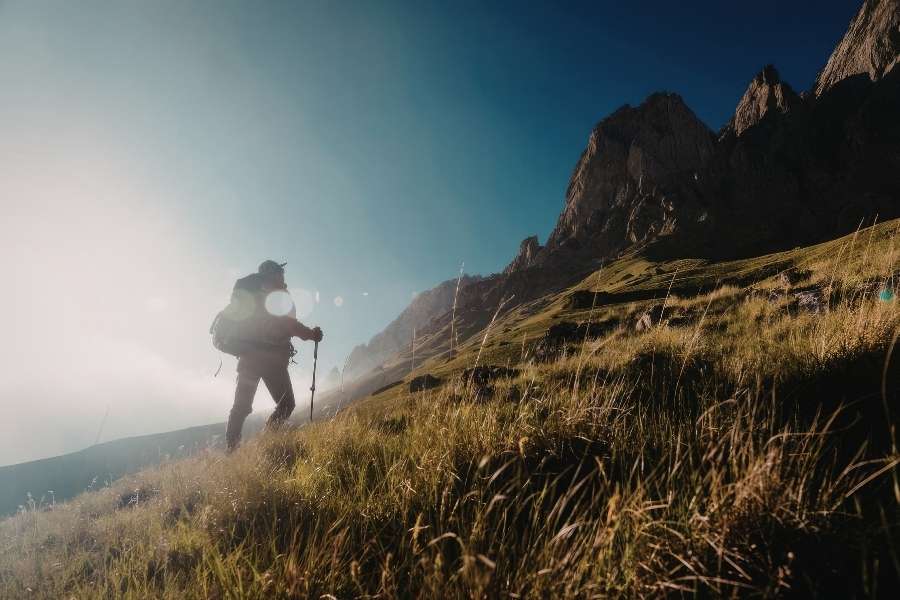
Choosing the right Inca Trail Trek duration is vital for your Peruvian adventure. This legendary path offers a deep dive into ancient history and breathtaking mountain scenery. Most hikers struggle to pick between the fast route and a slower journey. Your choice impacts your comfort, health, and overall enjoyment of the Andes. Finding a balance ensures you experience the magic without total physical exhaustion.
Every traveler has different fitness levels and goals for their trip. Some want a rugged challenge while others prefer a steady, soulful pilgrimage. The trail is strictly regulated by the government through specific hiking permits. You must understand the various itineraries before booking your guided expedition. This guide helps you navigate these choices for a successful mountain journey.
The Classic Route: Why 4 Days is the Gold Standard
The four-day Inca Trail Trek is the most popular choice for global explorers. It covers about 42 kilometers of ancient stone paths and diverse tropical ecosystems. This duration fits perfectly within a standard one-week vacation to South America. You will experience high-altitude deserts and lush, misty cloud forests every day. It offers a rhythmic intensity that many athletic hikers find deeply rewarding.
This classic timeframe allows you to see all the major archaeological sites. You will conquer the famous Dead Woman’s Pass at 4,215 meters high. Many travelers look for exciting sports destinations for 2024 to test their physical limits. Reaching the Sun Gate on day four provides a truly iconic view. It is the definitive way to reach Machu Picchu for most people.
| Feature | 4-Day Classic Trek | 2-Day Short Trek |
| Total Distance | 42 km (26 miles) | 12 km (7 miles) |
| Total Walking Time | 4 Full Days | 1 Full Day |
| Camping Nights | 3 Nights | 0 Nights |
| Difficulty Level | Challenging | Moderate |
The four-day trek captures the true essence of an Andean mountain adventure. It creates strong bonds between hikers and their hard-working local porters. You will feel a massive sense of achievement upon reaching the end. It is ideal for those who enjoy a steady and active pace. Just ensure you are ready for the physical demands of the trail.
Is the 5-Day Trek the Hidden Secret to Success?
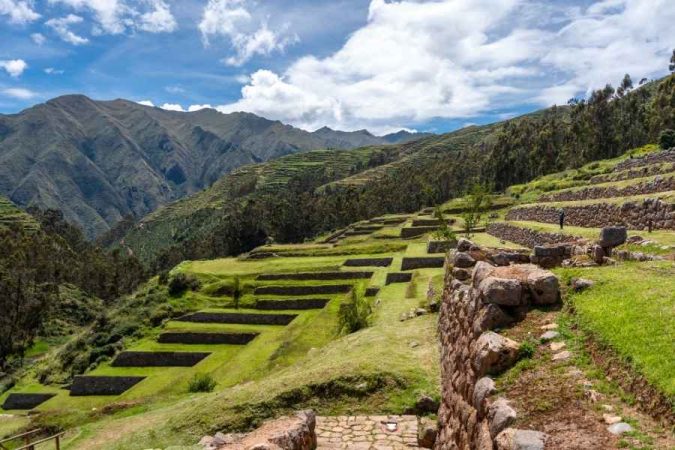
The five-day Inca Trail Trek is gaining fame among seasoned mountain hikers. It covers the same 42 kilometers but adds a much slower pace. This version allows for extra time at smaller, quieter archaeological ruins. You can avoid the largest crowds by staying at different campsites. It turns a grueling hike into a more relaxed and soulful journey.
Adding an extra day provides a significant advantage for your physical health. It allows your body more time to manage the risk of altitude sickness. Slower ascents help your lungs adjust to the thin mountain air. You will likely feel more energetic when you finally reach the citadel. This is a great option for families or photography enthusiasts.
Short on Time? The 2-Day “Inca Trail Lite” Option
The two-day version is perfect for travelers with a very tight schedule. It skips the most difficult climbs but still includes the Sun Gate. You start the hike at Kilometer 104 and walk for one day. This route visits the stunning Wiñay Wayna ruins before reaching the final viewpoint. It provides a wonderful taste of the trail without three nights of camping.
Most people stay in a comfortable hotel in Aguas Calientes for the night. You visit the main ruins of Machu Picchu early the next morning. This option is great for those who prefer a real bed. You still walk on original Inca stones and see amazing scenery. It is the best compromise for comfort and ancient history.
Essential Preparation: Logistics and Trekking Gear
Success on the mountain trail begins months before you arrive in Peru. You must secure your Inca Trail Trek permits at least six months ahead. Only 500 people are allowed on the trail each single day. This number includes all the guides, cooks, and hardworking porters. Booking early with a professional tour operator is absolutely essential.
Choosing the right trekking gear will make or break your entire experience. You need high-quality waterproof layers for the unpredictable Andean mountain weather. Some adventurers search for the best cycling routes for 2024 travel to build their leg endurance. Proper footwear is the most important investment for your long journey. Ensure your boots are well broken-in to avoid painful blisters.
| Item Category | Must-Have Gear | Purpose |
| Footwear | Sturdy Hiking Boots | Ankle support on stairs |
| Clothing | Waterproof Jacket | Protection from rain |
| Health | Water Purification | Safe hydration on trail |
| Lighting | LED Headlamp | Navigating camp at night |
Acclimatization in Cusco is a mandatory step for every single hiker. Plan to stay at high altitude for three days before starting. Drink plenty of water and try the local hot coca tea. Avoid heavy meals and alcohol during these first few days. This preparation ensures your heart is ready for the steep climbs. Your body will thank you once the hiking officially begins.
Frequently Asked Questions about “Inca Trail Trek”
How many days to hike the Inca Trail to Machu Picchu is best?
The four-day trek is the most popular and classic choice for hikers. It offers a balanced challenge for those with good physical fitness. If you prefer a slower pace, the five-day option is excellent. The two-day version is best for those short on time. Choose the duration that fits your personal comfort and goals.
Do you need a permit for the Inca Trail to start hiking?
Yes, you absolutely need a government permit for the Inca Trail Trek. Only 500 permits are issued per day for all hikers and staff. These permits often sell out many months in advance of the date. You must book through a licensed agency to obtain a legal permit. It is impossible to hike this specific trail totally alone.
What is the best time of year to trek the Inca Trail?
The dry season from May to September offers the best hiking weather. You will enjoy clear skies and the most dramatic mountain views. However, this is also the busiest time for the popular trail. April and October are great months for fewer crowds and greenery. The trail is closed every February for essential maintenance work.
